 es_ES
es_ES fr_FR
fr_FR pt_PT
pt_PTSmart Bollard
A Smart Bollard resembles a standard dock bollard, but beneath its appearance, it is anything but ordinary. It is equipped with smart sensors that measure the real-time load on mooring lines and the angle of the lines. This provides ports, terminals, and vessels with real-time insights into mooring line tension and safety concerns. The result: safer and more efficient mooring for all types of seagoing vessels, from cruise ships to container giants!




Download the whitepaper:
Smart Bollard, Real-time Mooring Load Monitoring for Safer and Smarter Ports
Why a Smart Bollard?
Traditional bollards do not measure loads on mooring lines. Therefore, ports often rely on assumptions, especially during conditions such as strong wind, current, or waves. When loads increase beyond safe limits, mooring lines may fail, which can cause a vessel to move away from the quay.
In contrast, the Smart Bollard delivers accurate, real-time load data. As a result, ports improve safety and operational efficiency while gaining continuous insight into overall mooring forces through data logging.
MoorControl platform
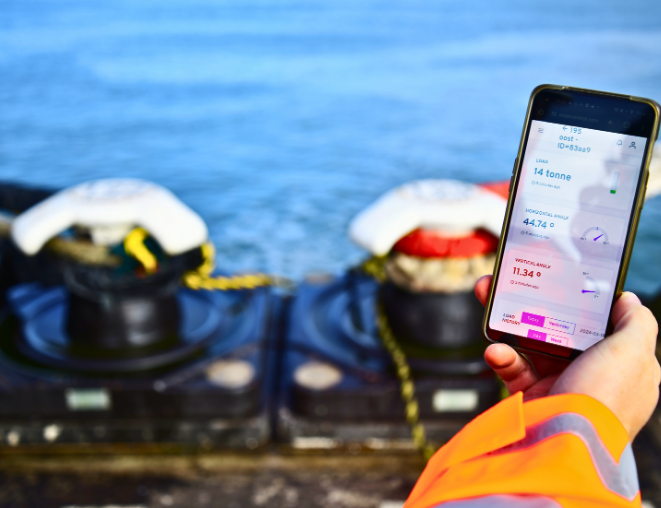
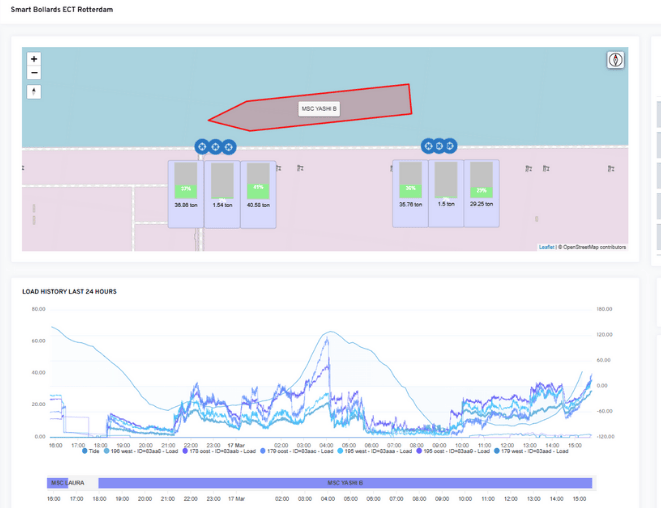
The MoorControl dashboard shows and logs the following data:
- Load on the mooring line
- Line direction and angle
- Tide level
- Weather conditions
- Vessel history (using AIS data)
Administrators can easily manage users, configure alarm settings, and integrate data into other systems through the available application programming interface.
Smart Bollard Data Connection
Data Connection for the Smart Bollard
The Smart Bollard connects easily to existing port infrastructure. Therefore, the system supports both ethernet and wireless communication, allowing operators to select the setup that best fits their operational requirements.
With an Ethernet connection, a compact switchbox transmits all mooring load data directly to the cloud. Alternatively, for wireless installations, a local gateway provides a stable connection without the need for additional cabling.
Cloud and API
The system processes all data securely in the cloud and makes it available through an online portal. Therefore, users can view real-time mooring loads, weather conditions, currents, and vessel information in one clear interface.
In addition, the Smart Bollard integrates easily with other port systems through a standard application programming interface. As a result, safe mooring data remains accessible and usable across the entire port operation.

Smart Bollard at your port
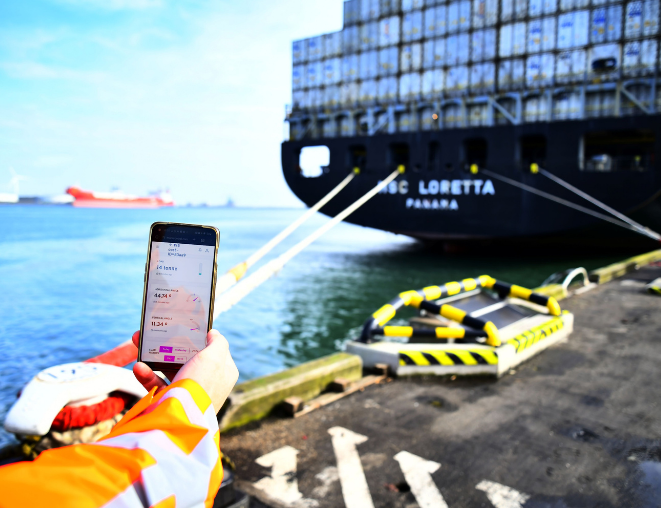
We developed the Smart Bollard in collaboration with the Port of Rotterdam. After a successful trial at the ECT Delta Terminal, the system was installed along the entire ECT Delta quay to support safer and more efficient operations through real-time mooring load monitoring.
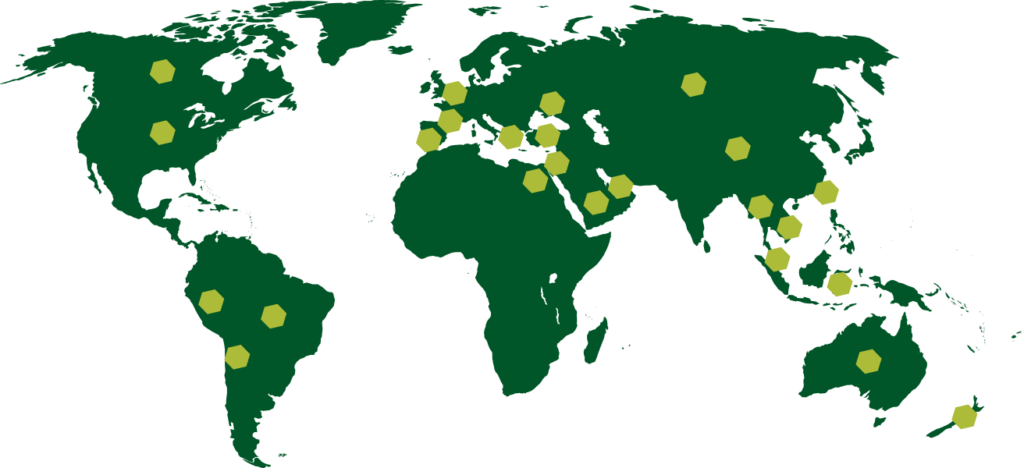
Today, Smart Bollards operate across the Port of Rotterdam, including the Amaliahaven. In addition, other major ports use the technology, such as the Port of Antwerp and the MCS Terminal in Valencia. Is your port ready for the next step to improve mooring safety and efficiency? Contact us for a trial!
Benefits of the Smart Bollard




FREQUENTLY ASKED QUESTIONS
The Smart Bollard improves safe mooring by measuring the real-time load on each mooring line. When tension increases due to wind, current or passing traffic, the system immediately shows this in the portal. This gives port teams a clear and reliable view of what is happening at the quay, helping them respond before a line becomes overloaded. The result is safer vessel berthing, fewer unexpected incidents and more control during critical docking operations.
Yes. The Smart Bollard is designed to integrate smoothly with existing port and terminal systems. All mooring load data is available through a standard Application Programming Interface, which allows ports to connect the Smart Bollard to their own dashboards, traffic systems or terminal software. This ensures that data from the bollard becomes part of the wider operational picture, supporting smarter decision-making across the port.
With the Smart Bollard, safety can be monitored in real-time, with the data being transmitted via an Ethernet cable or wireless connection. The actual data will be available for the port authority, terminal operator or the vessel operator and is presented in graphic and digital formats.
The Smart Bollard data is processed in the Straatman MoorControl software. This software is available in the cloud, accessible with every common browser. A dashboard provides all the necessary information to fully utilise the capabilities of the Smart Bollard.
Yes! While it’s easiest to integrate Smart Bollards directly into the construction of a new quay—like we’re currently doing at the new Prinses Amaliahaven in Rotterdam—installing them on an existing quay is not an obstacle. Our engineering team is skilled in finding creative solutions to make the transition as smooth as possible. Almost every Smart Bollard we’ve installed has replaced an old one, using a variety of methods to ensure a perfect fit.
Every project is unique, and we tailor the Smart Bollard to meet your specific needs, including cabling. If cabling is a challenge, we also explore solar-powered options. Our experience with solar systems as an alternative to traditional cabling has proven highly valuable. One of our clients is successfully using a solar setup. Also, the use of battery packs is a good alternative solution
The bollard cannot determine the specific line load if there are multiple lines, but it can determine the load on the bollard.
The Smart Bollard has a specific shape so that the lines always creep up to the top.
The Smart Bollard is similar to a standard bollard and is permanently installed on quays; however, it measures the loads of the mooring lines on the bollard by sensing and translating structural movement caused by the mooring line tension. The actual data will be available for the port authority, terminal operator or the vessel itself.
At the Port of Rotterdam, we installed 6 pieces of Smart Bollards at ECT Delta Terminal and 108 pieces at Prinses Amaliahaven. Besides these Dutch ports, we installed Smart Bollards at the Port of Antwerp and the MSC Terminal in Valencia.
The Smart Bollard has undergone extensive testing. Read our Smart Bollard White Paper to learn more about all the steps and tests that we have gone through to get the most accurate measurements from the Smart Bollard.
Yes. Contact us to discuss the options!
Download our whitepaper now
Whitepaper: Smart Bollard, Real-time Mooring Load Monitoring for Safer and Smarter Ports
If you want to understand the real value of smart mooring technology, this whitepaper provides a clear and practical overview. It explains how we developed a Smart Bollard that measures loads of the mooring lines with high accuracy, and how this data helps ports improve safety, and operational flow and reduce costs. From engineering and testing to real-life application, you will read how this innovation creates measurable benefits for modern ports.
Form comes here
Download Smart bollard leaflet
Download the leaflet now
Form comes here
do you want to do a trial with the smart bollard
- Real-time insights into mooring loads
- Increases safety
- Increases efficiency
- Cost decrease