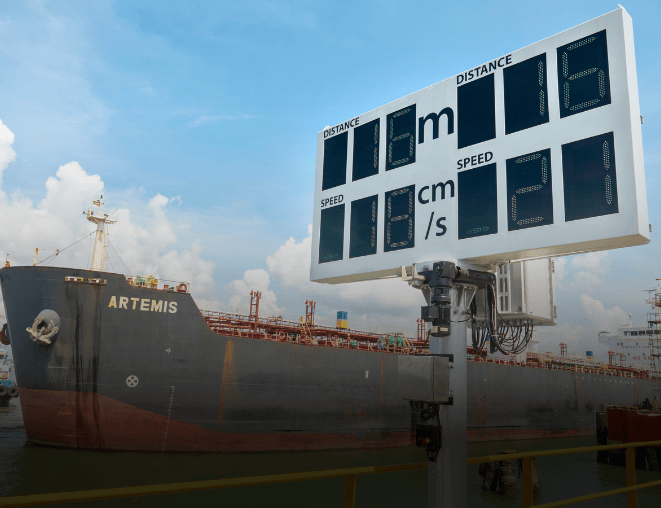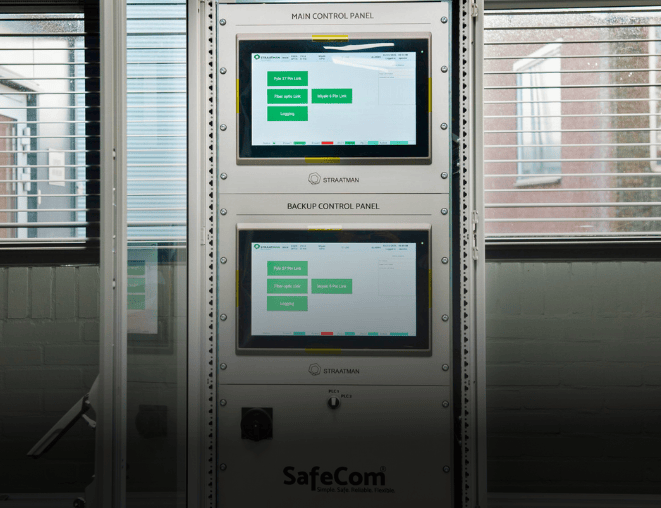
SafeCom Ship-to-Shore Link System
An advanced communication system that improves safety and efficiency during LNG operations.





Straatman is a trusted partner for complete mooring system solutions for every LNG terminal, including the supply of Quick Release Mooring Hook systems. With proven experience at LNG terminals worldwide, we understand the technical and operational demands of this specialized environment.




Straatman has extensive experience in designing and delivering mooring system solutions for LNG terminal applications, with Quick Release Mooring Hook systems as a key component. Our team understands international LNG and offshore requirements and supports every project with the required approvals and documentation.
With many successful installations worldwide, we are a reliable partner for mooring system projects at LNG terminals. We work closely with clients to tailor each solution to local conditions and operational requirements.
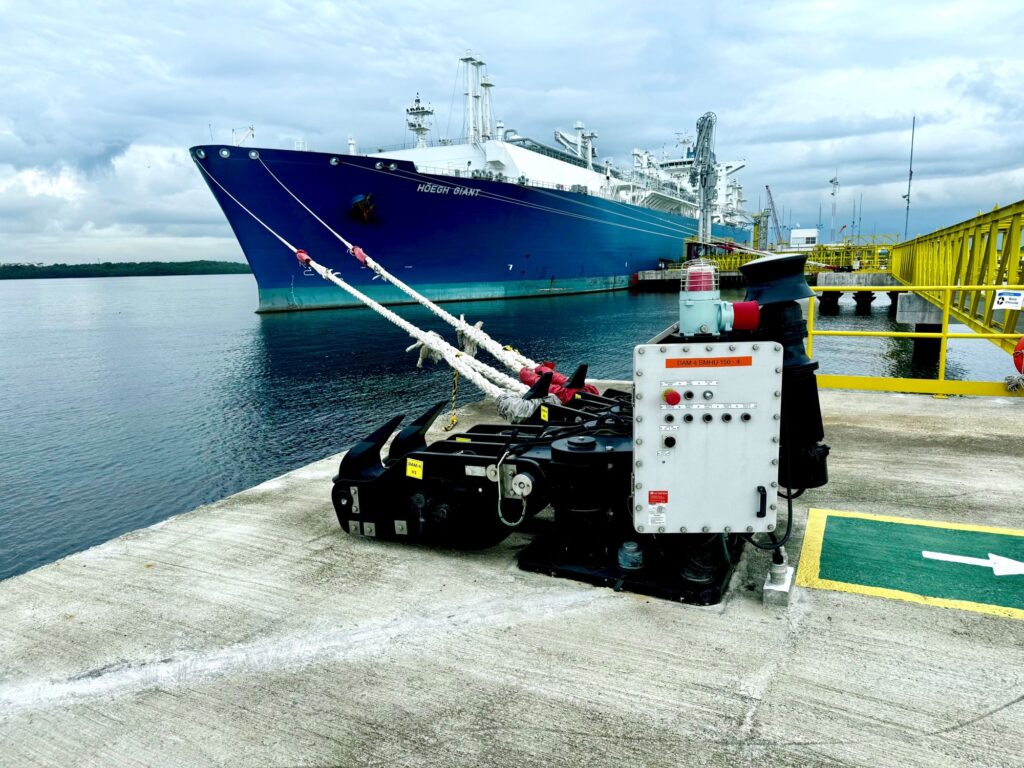
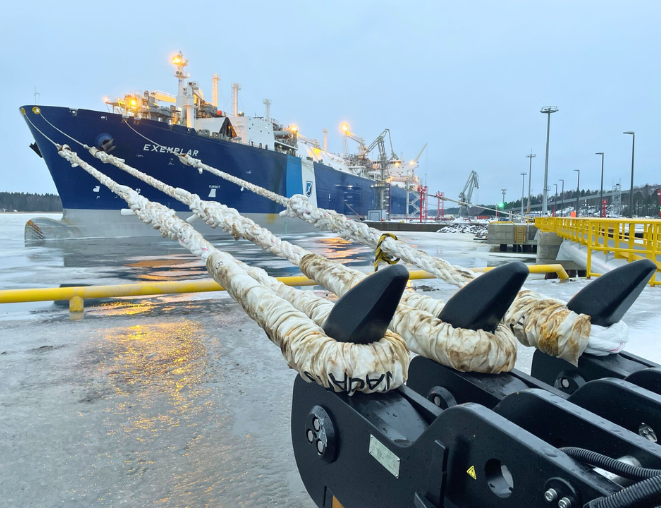
Quick release mooring hooks play a critical role in LNG terminal safety. They allow fast and controlled release, even under load, and are engineered for long-term reliability in harsh marine environments. Each quick release mooring hook is designed to meet international LNG and offshore standards, ensuring consistent performance during daily operations and emergencies.
Every LNG terminal has its own layout, environmental conditions, and operational requirements. That is why Straatman delivers mooring system solutions that are tailored to the specific project, from single-hook units to fully integrated multi-hook arrangements.
As a complete solution provider, Straatman can supply the full scope required for safe LNG vessel mooring. This includes Berthing Aid Systems and the SafeCom Ship to Shore Link system, all seamlessly integrated into one reliable mooring system. Together, these systems form a crucial safety chain for the safe berthing and mooring of LNG ships.
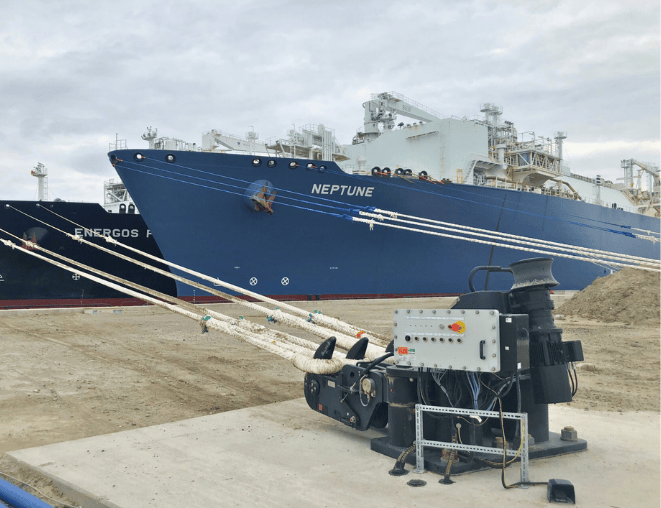






For LNG terminals, quick release mooring hooks are industry standard and required to meet accepted safety expectations for LNG berthing and mooring. The mooring arrangement must allow rapid, controlled release, often remotely, and in many cases under load. That functional requirement is described in widely used LNG and terminal guidance (for example guidance used by LNG operators and terminal designers such as SIGTTO recommendations and OCIMF-related mooring guidance).
Yes, because they support the same goal: Keeping control during changing conditions. Remote release is commonly expected so operators can act without being next to the line. Load monitoring is frequently required or strongly preferred because it gives real-time insight into mooring line forces and helps operators make safer decisions (and provides alarms when loads exceed limits).
Our Mooring and Berthing Catalogue offers clear specifications, available options, and essential product insights.
We are your partner for your complete mooring system! We can integrate features such as: