







Load cell calibration by Straatman
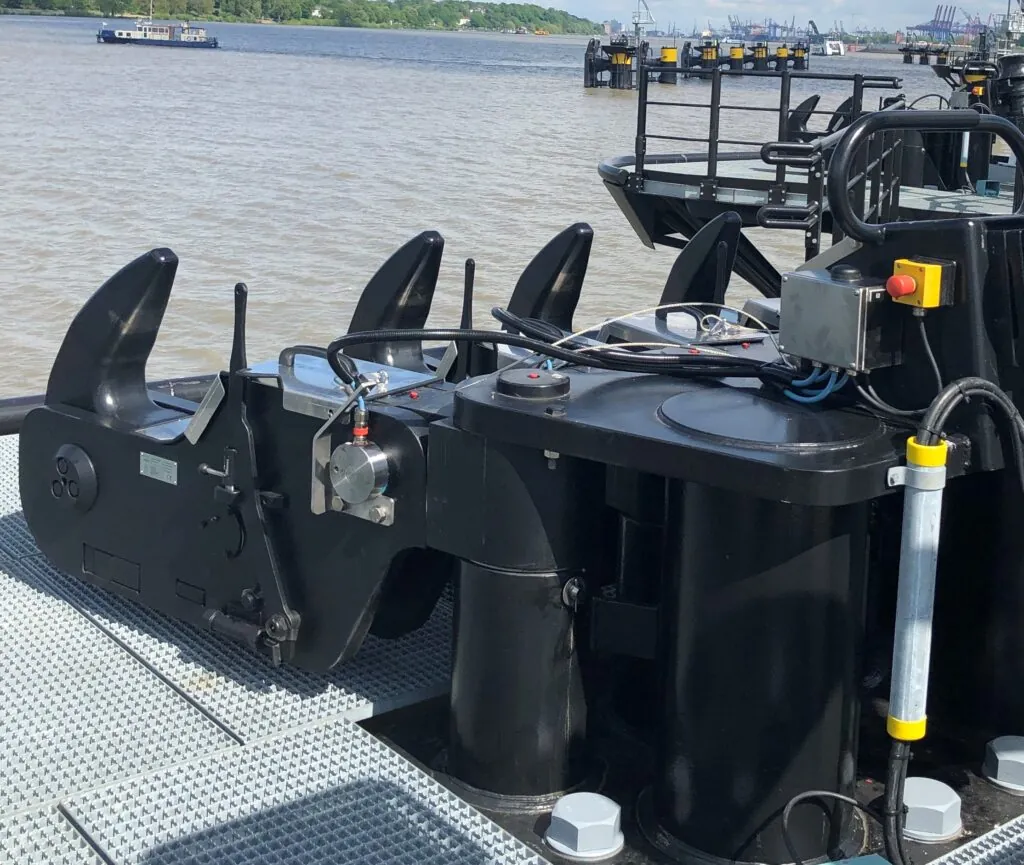
Reliable load cell calibration is essential for safe mooring operations. Load cells installed in quick release mooring hooks measure mooring line forces and help operators react in time during heavy weather or changing conditions. If calibration is incorrect or outdated, the data cannot be trusted and safety risks increase. International guidelines such as SIGTTO and OCIMF require annual and documented calibration. Straatman offers an efficient and proven calibration method that meets these requirements while reducing downtime and operational impact.
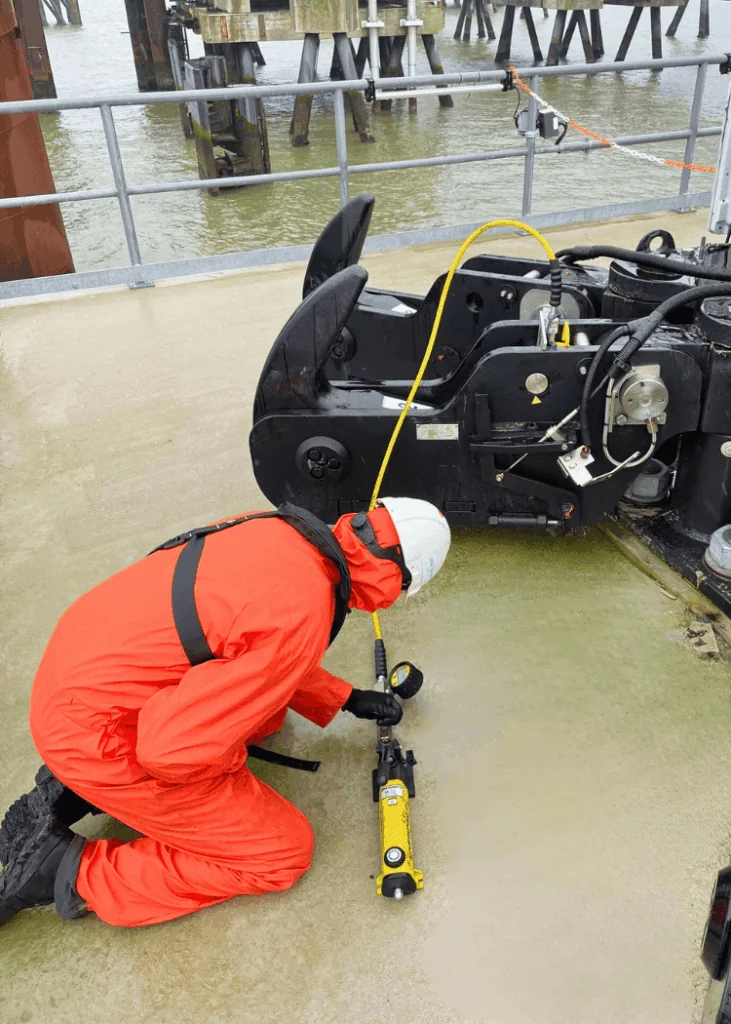
Straatman has developed a practical on-site calibration method for load cells in quick release hooks. The method is designed to reduce time, manpower, and disruption to terminal operations, without compromising accuracy or safety. Unlike traditional calibration methods, our approach does not require the removal of the load cell from the hook.




Straatman’s calibration method
Traditional calibration methods often take up to five days per jetty, with a team of three people. Equipment may need to be dismantled and reinstalled, which affects operations. Straatman’s method requires:
- One service engineer
- Approximately two days per jetty
This significantly reduces downtime and makes planning easier for busy terminals.
The method is designed to meet the intent and requirements of SIGTTO and OCIMF guidelines as specified in the Jetty Maintenance and Inspection Guide. Calibration results are documented and can be used for audits, inspections, and internal safety reviews.
Why load cell calibration matters
Load cells are exposed to harsh marine conditions, including salt water, temperature changes, vibration, and high loads. Over time, this can affect accuracy. Regular calibration ensures:
- Reliable and repeatable load measurements
- Correct alarm and warning levels
- Compliance with SIGTTO and OCIMF guidelines
- Reduced risk of overload and mooring incidents
- Confidence in operational decision-making
Calibration is not only a formal requirement, but a practical safety measure.
What to expect from our Straatman team

 High Quality ProductsOur products are designed and manufactured with attention to detail. We use the best materials and check everything to make sure you get the best.
 Continuous InnovationWe always try to be better. We keep learning, improving and investing in research and development so we can give you the newest and best solutions.
 Dedicated and Enthusiastic TeamOur team loves what they do. They work hard to meet your needs and make you happy.
 Excellent Service LevelWe’re here to help you. Our team is always ready to answer your questions and make sure you’re happy with our service.
 Certified on Every Necessary LevelWe meet all the important standards. This means our products are safe, reliable, and trustworthy.
 We Do What We PromiseWe keep our promises. You can trust us to do what we say we will.
does your mooring equipment need maintenance, inspection or upgrade?
- High Quality Products
- Skilled Team of Service Engineers
- Excellent Service
- Certified on Every Level