es_ES
es_ES fr_FR
fr_FR pt_PT
pt_PT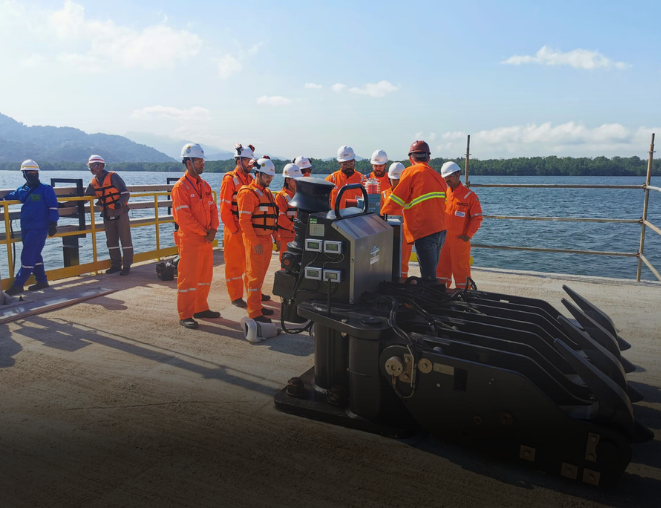
Commissioning and Training
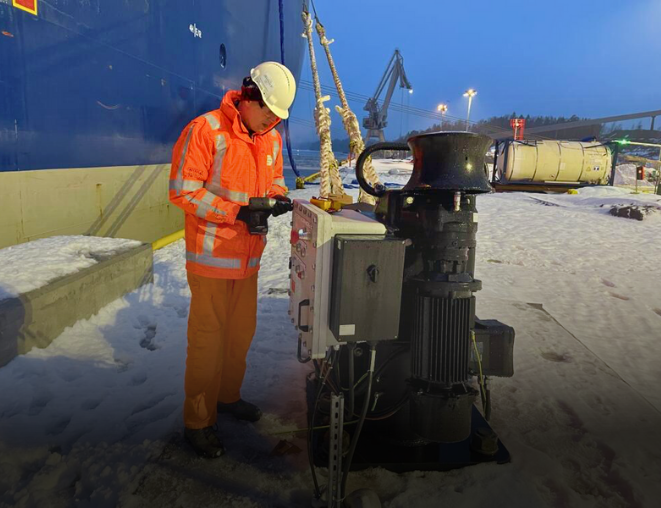
Our service engineers ensures that our equipment run smoothly by providing on-site commissioning service.










Maintenance keeps quick release mooring hooks reliable and ready for safe operation at all times. Regular inspection and servicing keep the release mechanism responsive and predictable. This prevents unexpected failures and supports safe, continuous mooring operations at the terminal.
Quick release mooring hooks require inspection based on usage, environmental conditions, and class requirements. Most terminals inspect their hooks annually. Terminals with high loads or offshore exposure typically inspect the equipment more frequently to control operational risk.
Maintenance typically covers:
– Visual inspection of the hook and foundation
– Functional testing of the release mechanism
– Inspection and lubrication of moving parts
– Verification of safety and monitoring systems
Together, these steps ensure reliable operation under load.
Yes. Straatman maintains and services quick release mooring hooks from all major manufacturers.
In many cases, yes. Straatman service engineers assess the condition of older or discontinued mooring hooks and advise on maintenance, repair, or upgrade options.
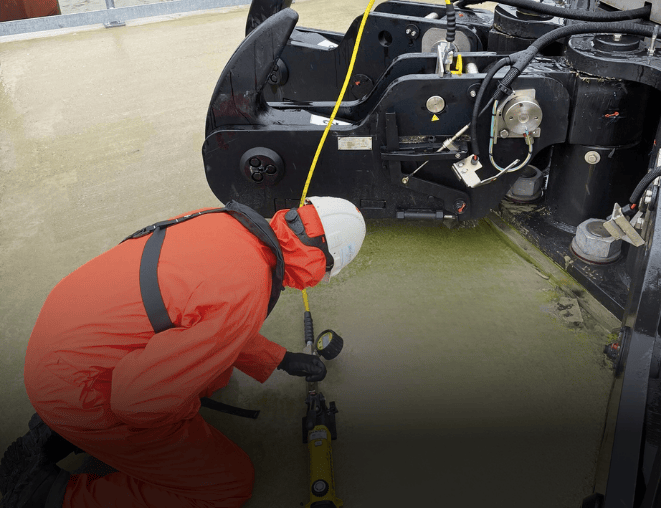
Operators use load cells to monitor the forces acting on mooring lines in real time. Proper calibration ensures these load readings remain accurate, enabling safe mooring decisions and compliance with industry guidelines.
Operators should calibrate load cells:
– Annually, in line with OCIMF guidelines
– After repairs or component replacement
– After abnormal loads or incidents
– According to class or port authority requirements
Without calibration, a load cell can display incorrect load values. As a result, operators may make unsafe mooring decisions or apply unnecessary operational limits.
Yes. Straatman calibrates load cells from various manufacturers, including Mampaey, Trelleborg, and Strainstall / AMTS.
Yes. Straatman performs load cell calibration in line with applicable class and industry standards. Upon request, we provide full calibration documentation for audits and class surveys.
Yes. After calibration, Straatman provides a calibration report or certificate suitable for class surveys and audits.
Operators should schedule maintenance or calibration when they notice:
– Delayed or incomplete release
– Visible wear or corrosion
– Inconsistent load readings
– Alarms or system faults
Early detection helps prevent failures and unplanned downtime.
Yes. We offer service and maintenance agreements that ensure periodic inspection, testing, and calibration.
Yes. Straatman delivers global service and calibration support through experienced service engineers, supported by regional offices worldwide.